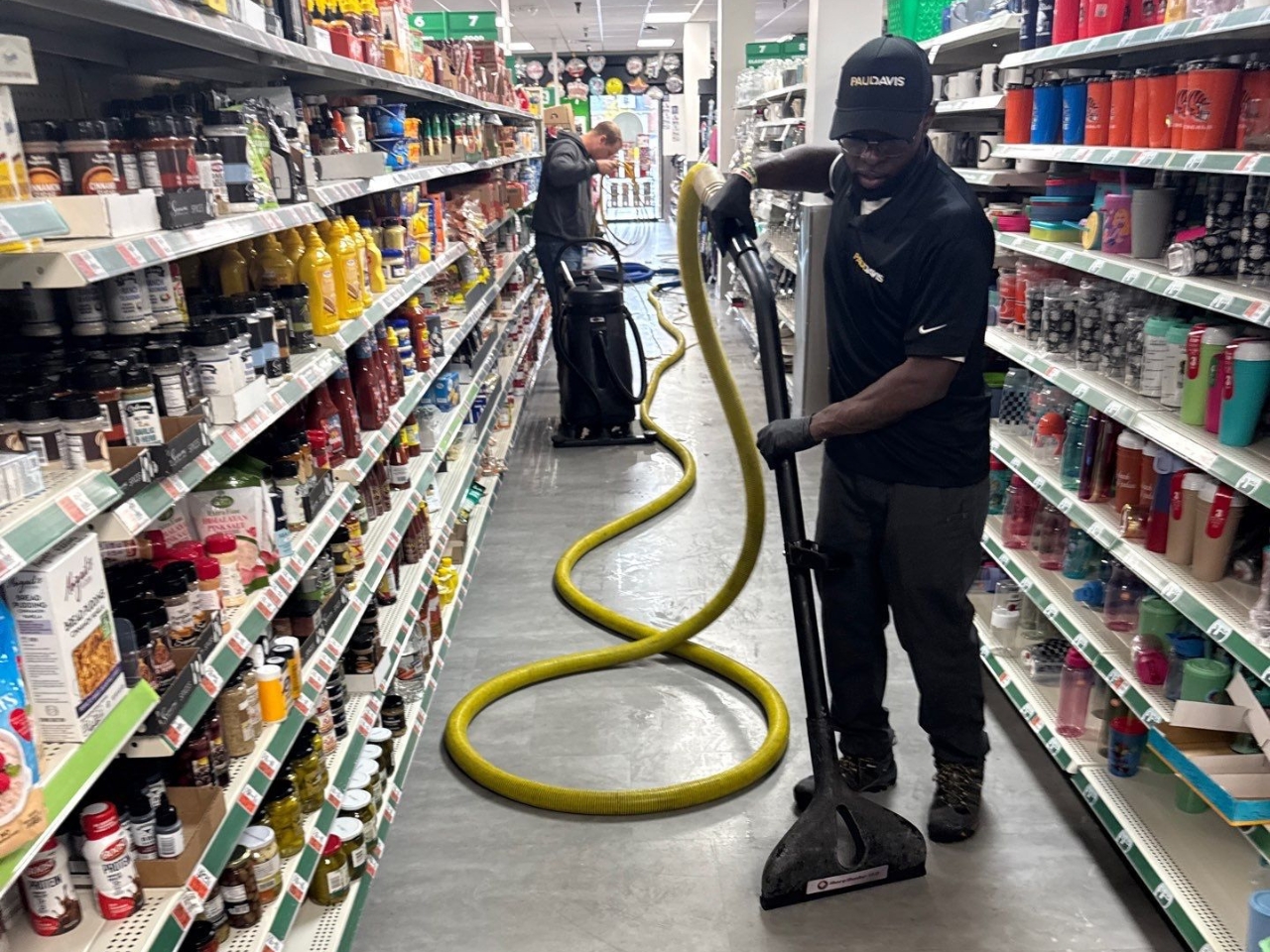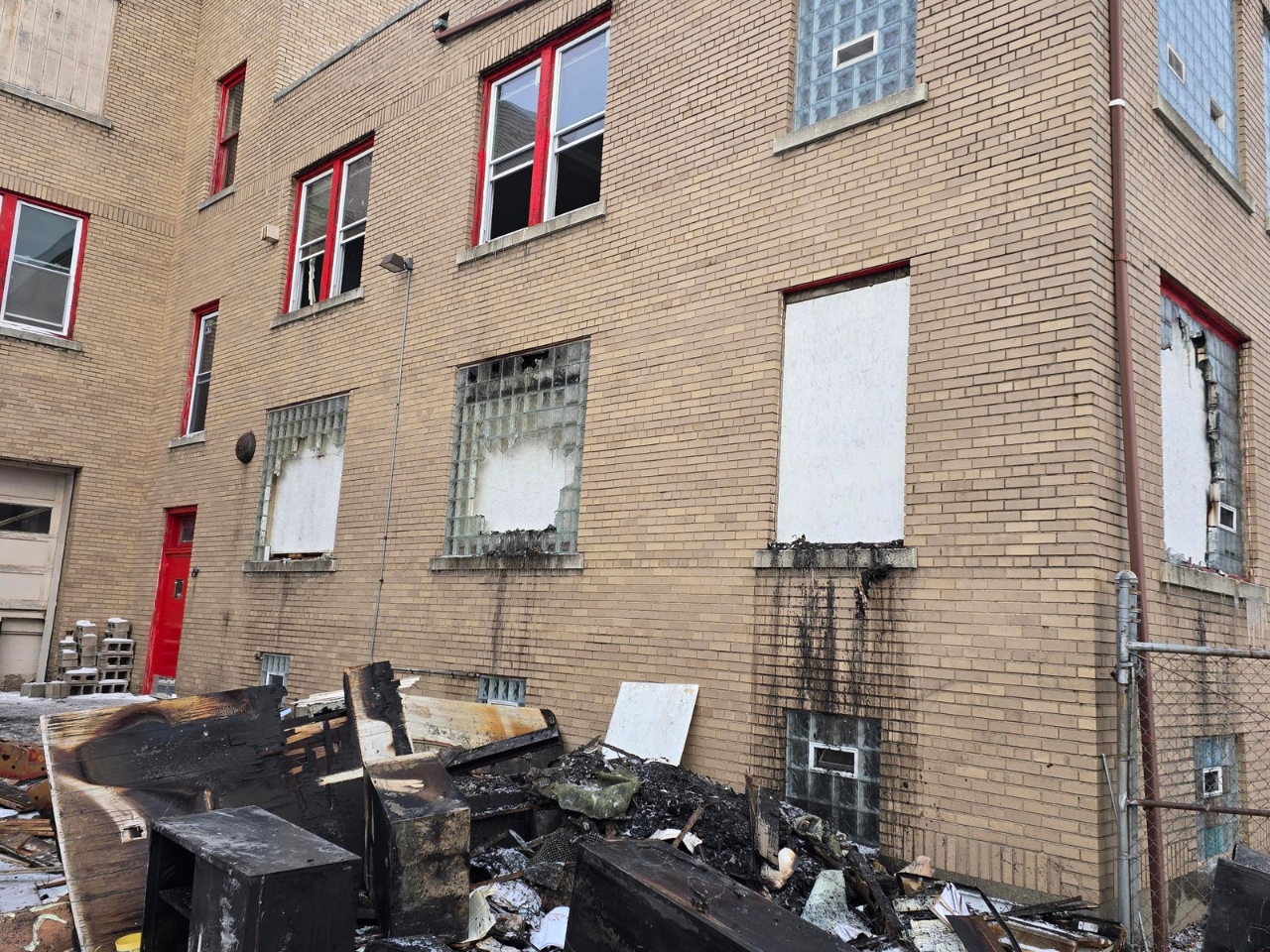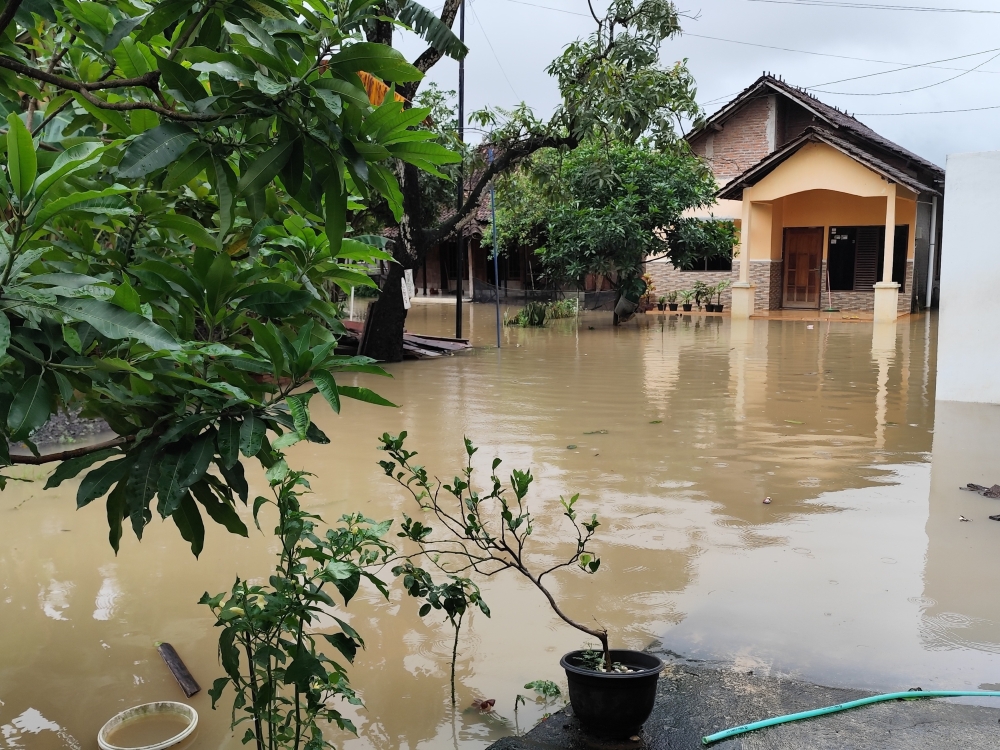

Imagine walking into your home one day and discovering water dripping through your ceiling. Picture returning to your apartment after work to discover you’ve been robbed. Envision your home filled with the smoke and ash of a raging fire. In these three scenarios, the only thing keeping you from losing thousands or tens of thousands of dollars of possessions and property is proper documentation.
Insurance is a contract that provides protection from specific covered perils in exchange for a regular payment. However, the reality of insurance is that many claims are delayed, reduced, or denied due to a lack of evidence supporting the claim. Property documentation is essential to a policyholder’s financial health, but it is also often one of the most neglected tasks by those who own property. This article provides a detailed overview of best practices for documenting your property and explains the reasoning behind every recommended step. The property documentation suggestions provided can help you in both the event of an emergency as well as at other times.
Why Should You Document Your Property
Documentation serves as evidence of your possessions and property value to the insurance company. Following a loss, the burden of proof is placed on the insured, the policyholder, to prove what you own, how much it’s worth, and what was lost. Without proper documentation, the insurer will either take your word for it or take minimal action to confirm your assertions. After all, most people are unlikely to attempt to defraud their insurer over tens of thousands of dollars in property, but insurance is a financial transaction and nothing more.
Ease Stress
Proper documentation of your property can ease the emotional stress following a loss. Without the need to rely on your memory to recall what you owned, and the emotions involved in that process, you will have already created records that can be turned in following a claim.
Protect Against Memory Loss
Documentation also overcomes human memory loss; according to research, a significant minority of people, around 20-30%, forget about 20-30% of their belongings when attempting to reconstruct a list or inventory following a loss. From a policyholder’s perspective, comprehensive documentation is also one of the best defenses against being underinsured. If you have not previously documented and appraised your possessions, your guess about what you own and its value will not accurately reflect reality. You may be justifiably surprised and upset when you find out your policy has a coverage limit of $100,000, but you are underinsured by at least half.
Insurance Documentation is an Ongoing Process
The recommendation for any property owner or renter is to not see documentation as one project, but instead develop an ongoing process.
Base Inventory
The process should start with a base inventory using the four walls method. This entails standing in the center of a room, taking photos of each wall in turn, and documenting the items on each wall.
Similar Items
Take extra care with collections or groups of similar items by documenting them both as a collection and individually if they are expensive enough.

Electronics
Document serial numbers and model numbers for electronics. This provides an additional layer of evidence for ownership, which can be helpful in preventing claims being denied due to insufficient proof of ownership.
New Purchases
Adopt a ‘new purchase protocol’ such that as soon as something of value is brought into your house you photograph it, save the receipt and add it to your documentation.
Video Statements
Video record brief statements regarding the value of particularly valuable items with sentimental attachment, if your policy covers such items you may be able to purchase additional coverage.
Don’t Overlook Spaces
Photograph or record items in spaces that are often overlooked, such as garages, attics, closets, and drawers; the value of items often accumulates in these spaces. Cabinets and other storage areas can be documented using the ‘open and show’ method; this entails recording a video showing yourself opening each cabinet or drawer to reveal the items contained.
Insurance Documentation Process
Documentation is a three-phase process: pre-loss documentation, post-loss documentation, and claim submission documentation.
Pre-Loss Documentation
The pre-loss documentation is what this article has been describing so far; it involves creating records of what you own in the undamaged state. You will want to collect and store any existing evidence of ownership. However, in addition to inventories and photos of your contents, you should also document your home’s condition and features. Increasingly, insurers offer discounts to policyholders who provide inventories before a loss occurs, as this data is highly valuable in expediting claims.
Post-Loss Documentation
The post-loss documentation phase, while often not considered or documented, is critical. Do not move anything until you have photographed the damage from multiple angles. Create a timeline of events with weather reports or a police report, if applicable. If the loss is from water damage specifically, record the source of the water and direction of the spread before cleanup occurs.
Claim Submission Documentation
The claim submission documentation phase is essentially gathering and organizing your documentation for submission to your insurer. You will want to provide a comparison of your property in the pre-loss and post-loss conditions. This may require formatting or supplemental information from your insurer; many are now allowing policyholders to take video walkthroughs of their homes with adjusters in real-time, a process that has become more common in the age of COVID-19.
Common Errors Made in the Insurance Documentation Process
- One of the most common errors made during documentation is to record possessions and not home features and upgrades.
- High-end materials, custom features, and recent remodels can drive up replacement costs but are often not included in documentation efforts.
- Another common error is to record only high-value items while ignoring more everyday essentials. The cumulative replacement cost of kitchen items, clothing, tools, and basic furniture can be significant and should be included in your documentation.
- Failure to record item condition is another common error made by policyholders. For antiques or well-maintained older furniture and features that would cost significantly more to replace than their depreciated value, this would mean additional documentation and/or expert appraisal.
- Inconsistent value estimation is a common error as well—using replacement cost for some items, while using actual cash value for others can cause confusion during the claims process.
- Technological errors are common too—using outdated storage or recording mediums, not backing up digital files, or storing records only on devices that could be lost or damaged in the same event as your property.
- Some policyholders make the mistake of documenting possessions but not coverage amounts and details; this may lead to unpleasant surprises during a claim about what categories are limited and subject to additional coverage or riders.
- Finally, a particularly damaging error is the ‘completion illusion’—believing that documentation is a one-time event and not a cyclical process that must be repeated.
Other Benefits to the Documentation Process
Documentation is not only useful for basic claim approval but also for a number of strategic reasons.
- Proper documentation puts you in a position of strength for negotiations with your adjuster; they are more likely to approve your claims quickly and fully when confronted with irrefutable proof. It also overcomes the ‘replacement cost vs. actual cash value’ dilemma. Insurance policies default to actual cash value (depreciated value) unless the policyholder can prove the actual item’s true replacement cost, and documentation is the best method for doing so.
- Specialty items like artwork, antiques, or collectibles may also not follow standard depreciation schedules that would understate their value, and having documentation can help avoid this situation.
- In some cases, documentation can help you identify coverage gaps in your policy. For example, having gone through a thorough inventory and appraisal of your property, you might notice you own more jewelry than your standard policy covers, and so purchase additional insurance proactively. In a catastrophic loss scenario where an entire neighborhood or city might be affected by a single disaster, well-documented claims have the advantage of being at the front of the processing queue. In these cases, having completed property documentation in advance may put you in a much better position to recover faster than your neighbors who have less documentation.
The Bottom Line: Properly Documented Insurance Claims Will Get You More in Reimbursement
The difference between recovering financially from a disaster and a never-ending financial struggle is often the extent to which you have documented your property. The time required for property documentation may seem like a lot, but when compared to the difference between a properly paid and an underpaid claim, the time commitment for documentation is minor.
Treat property documentation as a form of self-insurance; just like the policy you purchased, it is there to protect you, and you should use it to help you be as covered as possible. Digital tools and technologies make it easier to document your property than ever before. Smartphones, cloud-based storage, and inventorying applications have revolutionized and streamlined the process.
As you work through this information and begin the process of documenting your property and possessions, it is important to remember that you are doing more than simply providing records to an insurer in the event of a claim. You are creating a system that will give you peace of mind in the event of a disaster and financial security for your family.
When the time comes that you have a water damage loss, burglary, or fire, comprehensive and well-organized documentation will transform you from an at-risk victim to an empowered policyholder, ready to quickly rebuild and recover with the insurance settlement. Don’t wait until it is too late to learn this lesson; document your property today.