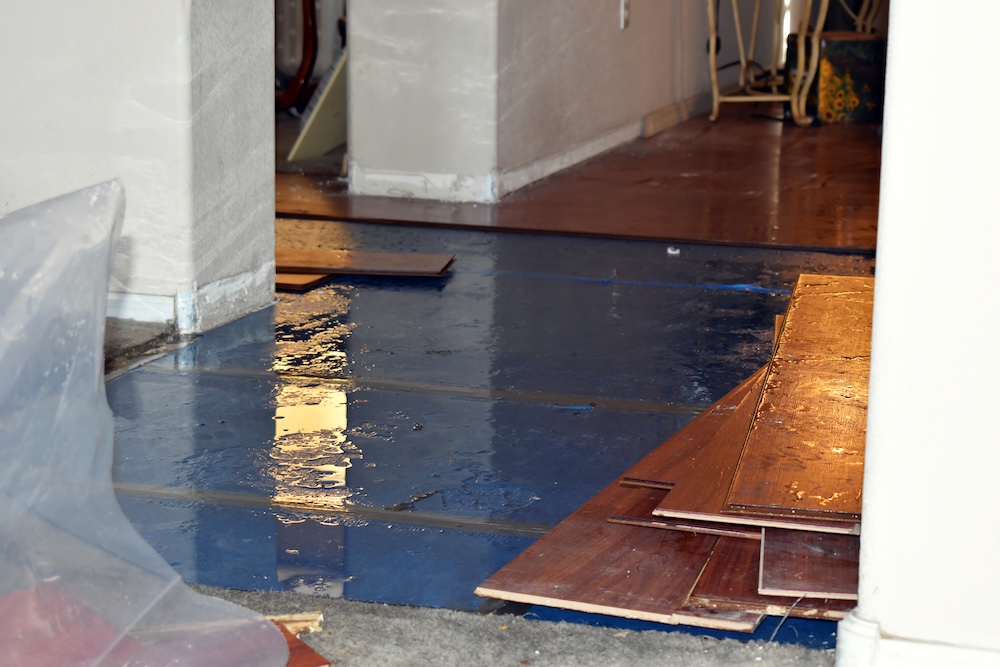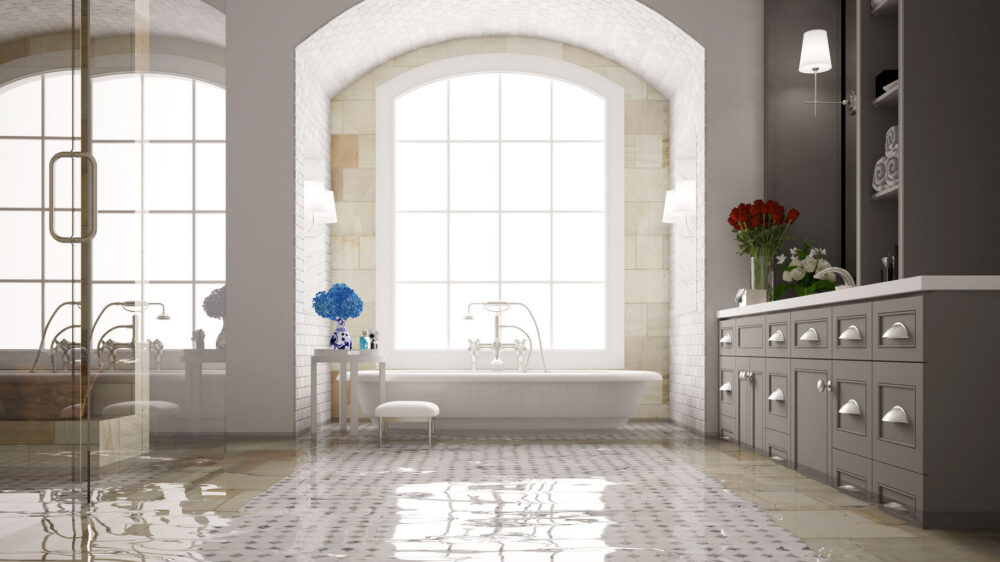
Water damage can come from different sources, whether it’s due to a major storm or a burst pipe in your basement. When water enters your property, the categories of water damage describe how contaminated that water is rather than how much moisture is present.
Understanding these categories helps you gauge the seriousness of the situation and why professional support is often essential. Paul Davis Restoration is here to help you understand what each category means and how each one affects your home differently.
What Are the Categories of Water Damage?
Water damage categories outline the level of contamination in three ways: Category 1, Category 2, and Category 3. These categories can deteriorate as water sits, spreads, or interacts with building materials, soil, or other pollutants. Even water that starts out relatively harmless can become more contaminated if it’s not addressed quickly.
- Category 1: This comes from sources that are generally sanitary and safe at first contact. It’s usually free of harmful contaminants, but it can quickly cause structural trouble as it soaks into porous materials.
- Category 2: It contains moderate contaminants that may cause illness with exposure. This type of water often includes bacteria, food residue, or mild chemicals that require careful handling.
- Category 3: This carries harmful pollutants or pathogens that pose significant health risks. It may contain sewage, bacteria, or flood debris that make professional cleanup even more essential.
Category 1 Water Damage
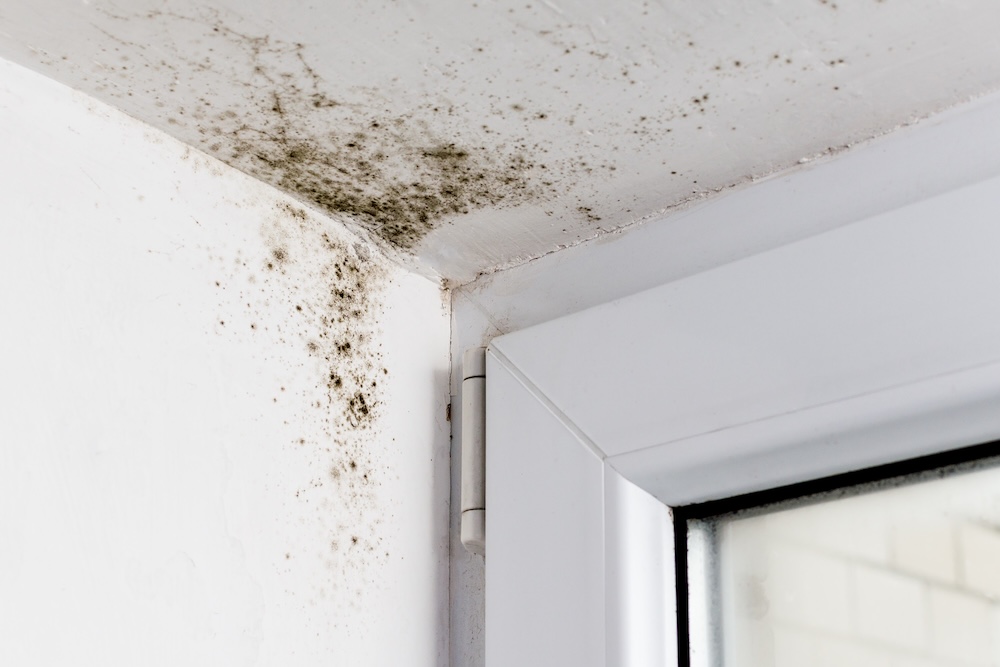
Even though it starts out safe, moisture can seep into flooring, drywall, and insulation, which may lead to structural trouble or mold growth if ignored. Places that clean water damage can originate from include:
- Broken supply lines: These can release large amounts of water that spread quickly through rooms.
- Overflowing sinks: They may look minor, but can saturate cabinets and nearby materials.
- Hidden Leaks: Even a very small leak behind a wall or under your foundation can cause huge damage, especially since you might only discover it when it has already caused damage.
- Rainwater intrusion: Rain can enter through small gaps and soak hidden areas that need prompt drying. Once rain slips inside, it can settle behind walls or under flooring where it’s harder to spot.
Category 2 Water Damage
Category 2 water contains mild to moderate contaminants such as bacteria, food particles, or chemicals. It may come from appliances or plumbing fixtures that discharge used water.
While not as dangerous as Category 3, it still requires careful handling because it can cause illness or escalate into a more severe category if left untreated. Look for sources such as:
- Dishwasher leaks often include detergent residue and food debris
- Washing machine overflows may contain dirt, cleaning agents, and organic particles
- Toilet water without waste can still carry microbes that require careful cleanup
Category 3 Water Damage
Category 3 water is the most hazardous category because it contains sewage, bacteria, floodwater, or other dangerous contaminants. This type of damage demands trained professionals who use protective gear and proven cleaning methods to keep you safe. Category 3 includes:
- Sewage backups and/or overflows introduce harmful pathogens that can spread quickly
- Toilet water containing waste
- Bacteria‑laden water may come from compromised plumbing or standing wastewater
- Floodwater often carries soil, bacteria, chemicals, and debris from outside
- Harmful contaminants can include industrial runoff or decaying organic matter
Why Water Damage Categories Matter During Cleanup
The categories of water damage influence every step of the restoration process. Cleanup strategies must match the contamination level to ensure your home is safe, dry, and fully restored.
- Safety precautions vary depending on exposure risks
- Drying methods change based on how deeply moisture has penetrated materials
- Material removal may be necessary when items cannot be sanitized
- Sanitizing procedures make sure contaminants are fully eliminated
- Restoration planning helps return your property to pre‑loss condition
The Paul Davis team can evaluate your situation and determine the right approach for cleanup and recovery. Whether you’re in need of water damage services or mold remediation, we’re ready to help.
Call Paul Davis for Water Damage Cleanup
All water damage deserves fast attention, especially when contamination is possible, and you want a team that knows how to handle every situation with care. Paul Davis Restoration provides thorough inspection, cleanup, drying, and full restoration services so you can feel confident your property is protected and safe again.
As The Restoration Experts, our mission is simple: To deliver an experience of extraordinary care while serving people in their time of need. Our work is backed by respected industry credentials, including IICRC and ACAC, which reflect our commitment to quality, safety, and trusted service.
You deserve fast help from a team that understands how to handle all categories of water damage. Contact us at Paul Davis for 24/7 water damage restoration.