Water damage can be extremely costly, especially if you don’t act quickly or don’t properly tackle hidden moisture issues within walls, ceilings, and floors. Other than cases of very minor flooding, water removal and damage restoration usually isn’t something you should try to handle yourself. Knowing who to call for water damage can save you a huge amount of hassle by ensuring the problem is handled correctly to avoid further damage, mold issues, and safety hazards.
In this article, we’ll look at the signs that indicate you should call a professional water damage restoration company like Paul Davis.
What You Can Handle Yourself: Minor, Isolated Water
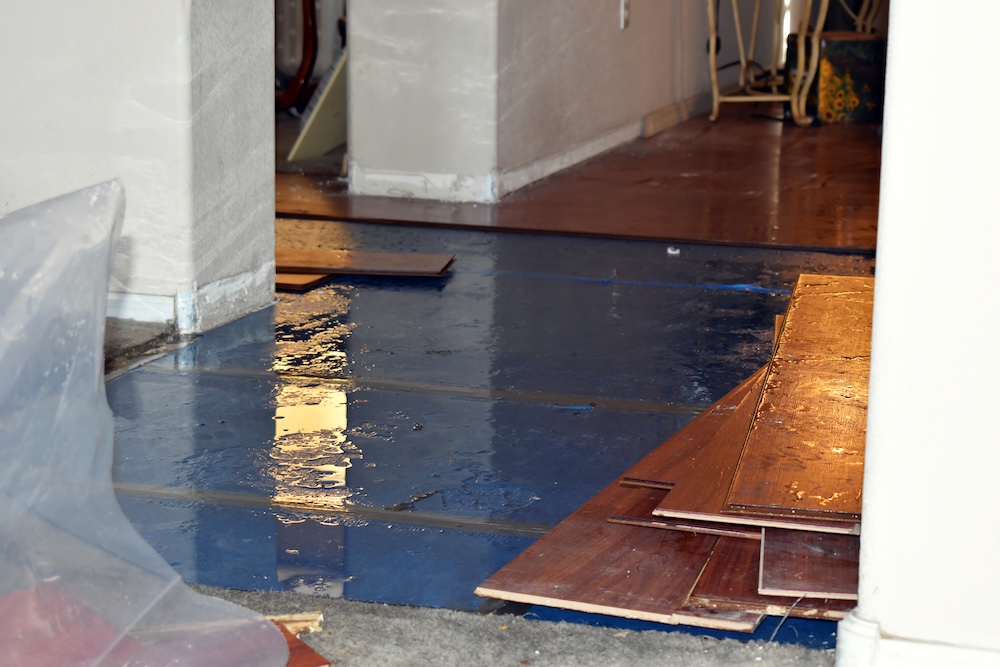
If you find a small amount of standing water, such as from a leaking dishwasher, you may be able to handle the cleanup on your own. This is only the case if you are sure that the water hasn’t soaked into structures like flooring or walls, and you handle the problem quickly using a wet/dry vac, towels, or other basic tools.
However, even this can be risky, as it isn’t necessarily possible to know for sure how much water has already soaked into surrounding materials. Water damage can be hidden at first, so unless you have the same tools as a water damage restoration expert (like moisture meters and thermal imaging), it’s still safer to call an expert team.
Timing is Crucial: The 24-Hour Rule
Time is always of the essence when any type of flooding occurs. Acting quickly and ensuring that all of the standing water is removed can lessen the amount of damage, even if it’s only a small amount. It also helps reduce the amount of work it takes to repair and restore the affected areas.
When standing water is present, it quickly starts to seep through drywall and into other building materials like wall studs, wooden subfloors, floor joists, and rafters. This makes drying everything out and restoring the area more difficult. It can also result in major issues with hidden mold growth. This is why, unless you are certain that you found the water and stopped its source very quickly, it’s wise to call a restoration expert to be sure that further damage doesn’t occur.
When to Call a Water Damage Expert
Professional restoration technicians are trained to locate hidden signs of deeper damage using advanced tools. An expert team knows exactly what it takes to prevent further issues. With technology like moisture meters and thermal imaging cameras, they can identify hidden water within walls, ceilings, and underneath floors. This enables them to accurately determine how extensive the hidden problem is and what steps are necessary to dry everything out properly.
Has Water Contacted Electrical Components?
If you see or even suspect that water has come into contact with any electrical wiring, outlets, switches, or lights, professional water damage restoration is absolutely essential. Water is a great conductor of electricity and allows the current to flow unimpeded. That means entering the flooded area carries an extremely high risk of shock or electrocution. An experienced restoration professional can safely assess the situation and take the appropriate steps to eliminate any risk of injury, death, or further property damage.
Flooding From Sewage or Contaminated Water
If your property is flooded with sewage from a sewer line backup or a septic system failure, enlisting the help of an experienced professional is crucial for avoiding health and safety hazards. Sewage can contain a wide range of harmful bacteria and viruses, meaning it’s important to wear proper protective gear when cleaning it up.
If your property gets flooded from outside during a major storm, you also shouldn’t enter the building until you have it assessed by a professional. Floodwater is also often contaminated with numerous potentially hazardous substances, such as sewage, chemicals like pesticides, fertilizer, and pathogens. This is why proper flood damage restoration includes much more than just removing the water and drying out materials. You also need to properly clean, sanitize everything, and ensure that there are no lingering harmful substances left behind.
There Is Noticeable Structural Damage
Visible damage to any building materials indicates that the water has soaked into the building’s underlying structure, requiring much more extensive repairs and restoration. Some of the main things to watch for are water stains on drywall, drywall on a ceiling that’s started to sag or has collapsed, bubbling paint, and flooring that’s buckling or warped. In these types of situations, the only option is to remove the damaged materials and then replace them once the cleanup is completed. This level of damage restoration should always be left to professionals.
Mold Has Started Growing
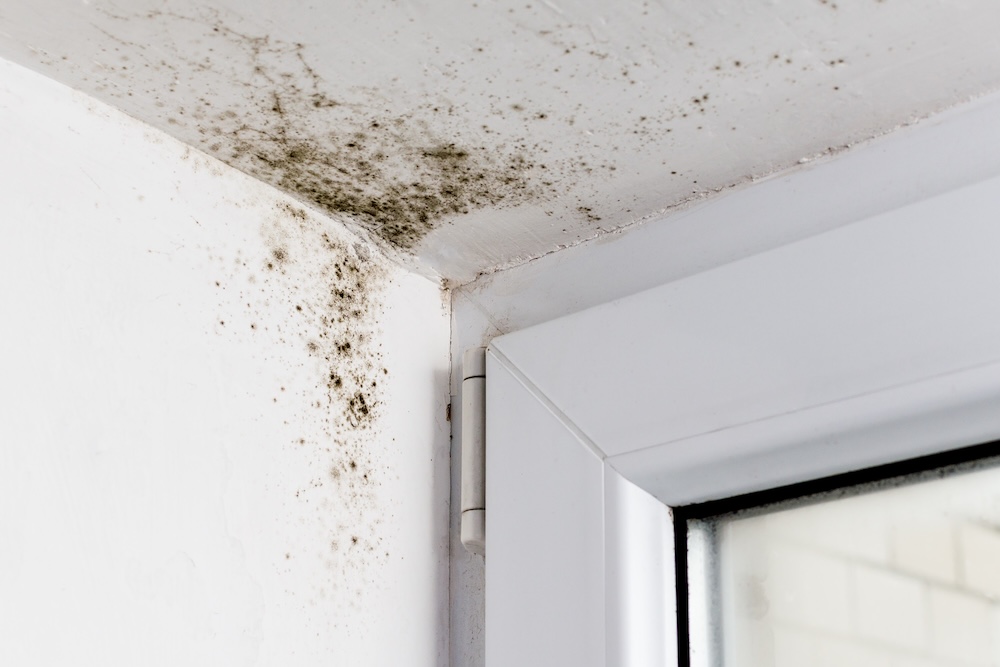
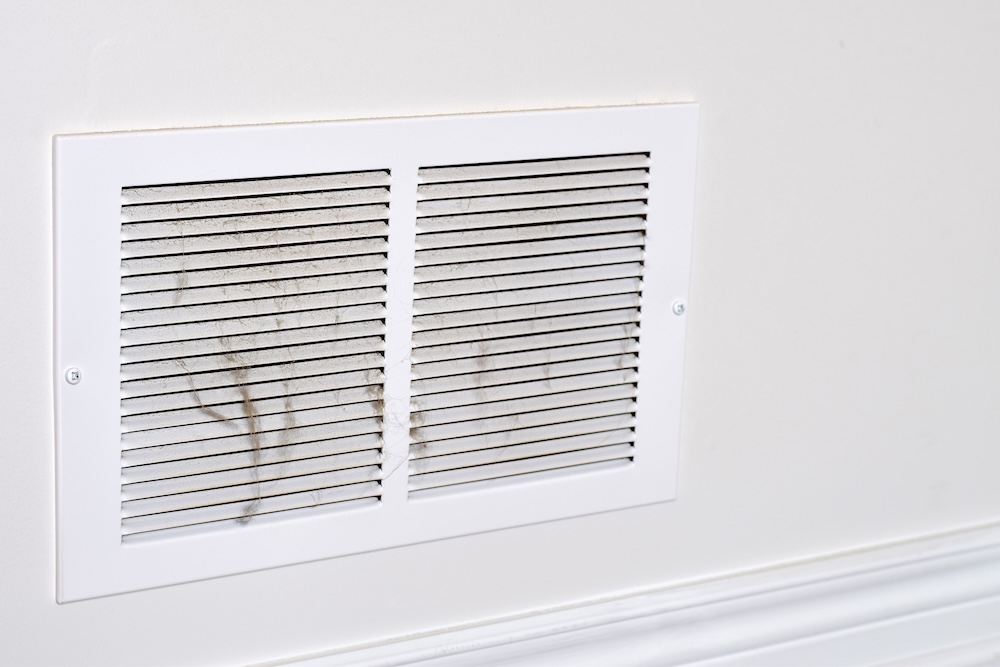
Mold damage after flooding is always a huge concern, and it doesn’t take much moisture for growth to begin. Hidden mold growth leads to spores circulating throughout the building, leading to worsened indoor air quality and potential health problems. This can be especially true for anyone with allergies, asthma, or other respiratory issues.
Mold remediation can be extremely difficult and potentially hazardous. If the area isn’t fully dried out and decontaminated, the mold can quickly return. The best way to ensure this doesn’t happen is to contact an experienced professional.
Don’t Leave Water Damage to Chance
At Paul Davis Restoration, we offer a full range of water damage cleanup services. From emergency water removal to flood damage restoration and mold remediation, we have what it takes to quickly help you clean up your property and handle all of the necessary repairs.
We’ve been helping residential and commercial property owners across the country recover from flooding and other types of damage since 1966. We are ready to provide on-site assistance 24/7.
When flooding and water damage issues arise, give us a call at Paul Davis for immediate help and proven results.