“Squirrels cause damage by gnawing on structures, insulation, and electrical wiring, which can lead to water leaks, fire hazards, and structural weakness,” says Jesse Roher, IICRC Instructor for the Paul Davis Restoration corporate office. “They also damage homes creating structural issues to landscapes by burrowing around roots. Plus, their waste poses health hazards. Learn more about the easy to remember 5-7-9 rule to protect your property from pesky squirrels, too.” Below is a concise, practical breakdown of major categories of damage homeowners often see, where to inspect routinely, and how to correctly identify squirrel damage.
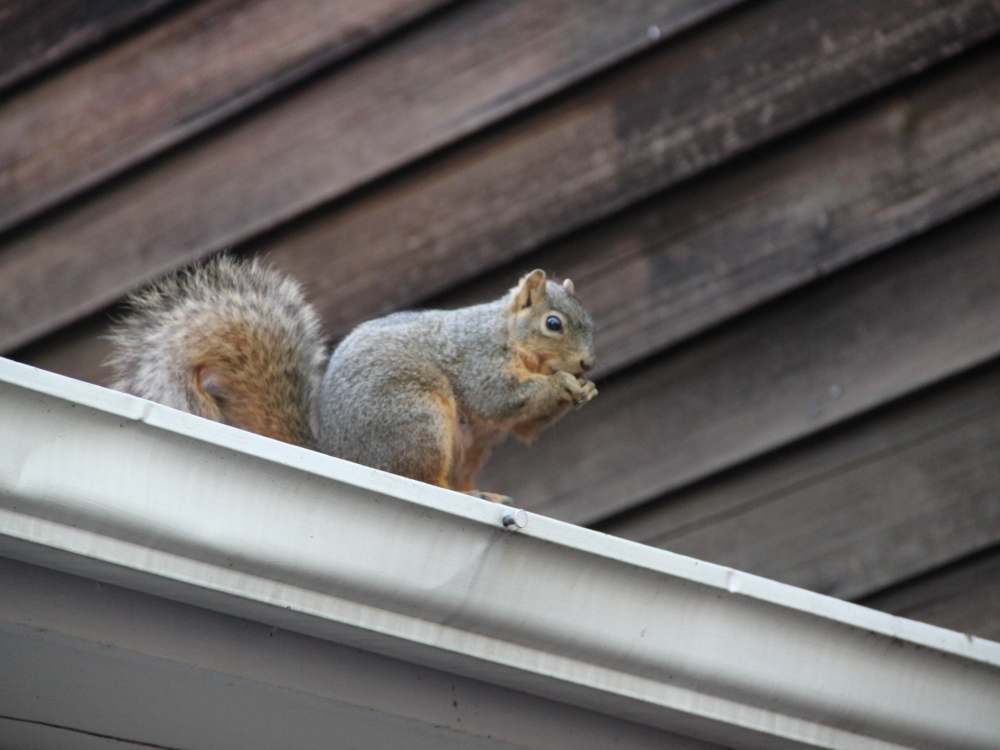
Examine roofs and eaves: Look for chewed or torn shingles, soffits, fascia, flashing and underlayment to gain attic access. Signs of damage are shredded wood, displaced shingles, small entry holes under eaves, droppings in attic space. Risks: water entry, further wildlife access, structural rot.
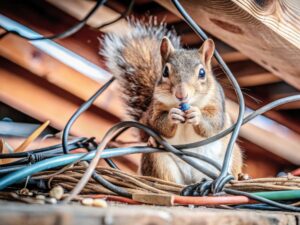
Pay attention to attic insulation: Squirrels build nests that damage insulation. Insulation that is flattened or soiled by urination/defecation will reduce R-value and create mold/odor problems. Signs of damage are disturbed or matted insulation, concentrated droppings, and strong musty odors. Risks: loss of insulation effectiveness and offensive odor build-up. Fleas, ticks, mites, and lice brought in on squirrels can spread to pets and indoor spaces.
Inspect siding and vents: Gnawed vents, gaps around pipes, chewed vinyl or wood siding to create entry. Signs: visible bite marks, gaps, drafts. Risks: open pathways for other pests and weather damage.
Check chimney and flues: Attempted entries via chimney chase or damaged caps. Signs: disturbed chimney cap, nests near top, noises at dusk/dawn. Risks: fire hazard if nests are near flue, smoke obstruction.
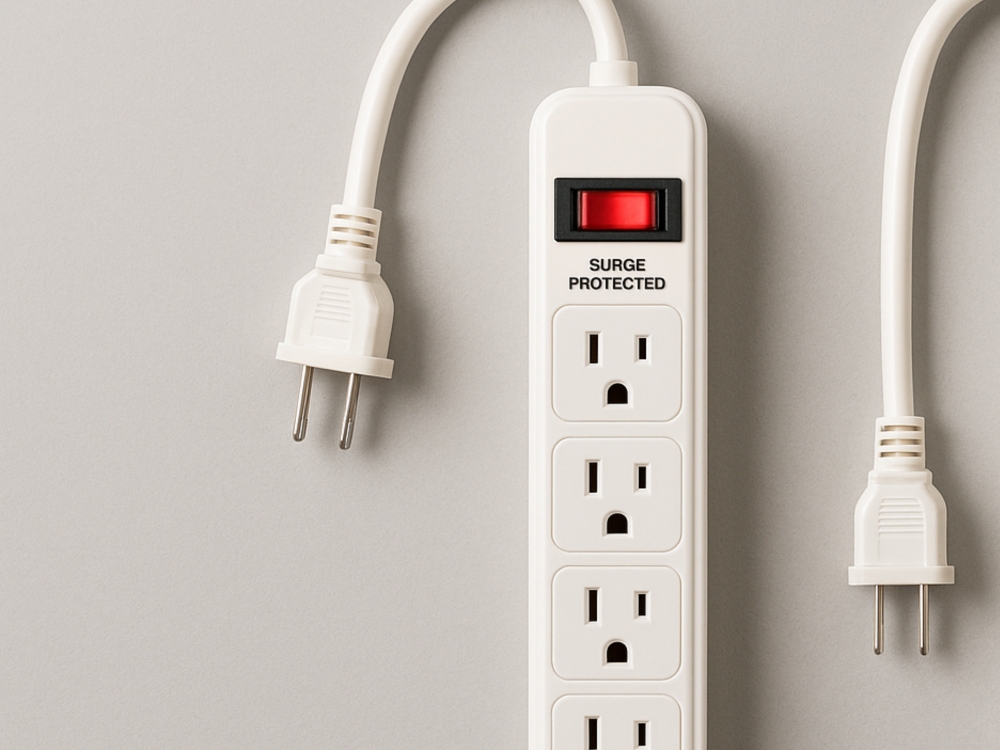
Inspect electrical wiring: Squirrels chew on electrical wires in attics, garages, sheds, or outdoor wiring. Signs: exposed copper, bite marks, flickering lights, tripped breakers. Risk: fire hazard.
Examine HVAC ducts and equipment: Nesting inside ducts or chewed ductwork, damage to A/C condenser fins or heat pump wiring. Signs: reduced HVAC performance, debris in filters. Risks: equipment damage, HVAC performance issues.
Check plumbing and irrigation: Chewing or burrowing can damage shallow irrigation lines, sprinkler heads, or exposed pipes in crawlspaces. Signs: leaks, dry patches in lawn where they burrow. Risks: landscape and garden damage.
Observe plant and tree damage: Bark stripping on fruit trees, saplings girdled (kills young trees), chewed roots or stems. Signs: missing bark strips, vertical scratches, die-back on tree branches. Risk: damage to young trees.
Inspect lawn and foundation: Burrowing underground runways near foundations, patios or under decks can cause soil settling or erosion. Signs: small burrows, loose soil Risk: undermining foundations.
“Squirrels often produce cosmetic nuisance damage but their abilities to create structural damage and safety hazards can lead to serious problems, ” says Roher. Frequent inspections and prompt actions to rodent-proof vulnerable entry points will help greatly to prevent escalating damage. If evidence of wiring damage, heavy contamination, or active infestation exists, prioritize professional electrical and wildlife-exclusion services. “Last but not least, practice the ‘5-7-9 rule’,” explains Roher. Positioning bird feeders to deter squirrels, based on their jumping abilities: place feeders at least 5 feet off the ground, 7 feet from any structures they could leap from such as trees or fences, and 9 feet below any overhanging branches or roofs. This strategy accounts for a squirrel’s approximate jump limits to prevent them from accessing the feeder.