“Summer property problems quickly expedite into big disruptions that not only inconvenience many people, they also endanger the community and its reputation as a safe, well-maintained, desirable place to live,” says Hannah Jennings, General Manager, Paul Davis Restoration of Fairfield and Westchester Counties. “Building systems like plumbing and HVAC are shared. So are communal areas, stairwells, parking lots, walls, laundry facilities and so on. Damage and disruption ripple outward quickly.”
Savvy multi-unit dwelling owners and managers are alert to four typical risks – and recommended solutions – that accompany summertime:
Damage to Shared Systems and Spaces:
Summer usage patterns strain shared systems like plumbing and HVAC when water usage increases significantly and a warmer climate strains HVAC capabilities. Additionally, parking lots, walkways and roofs take a beating from high temperatures, solar degradation and rapid temperature fluctuations. If older tenants live in the community, these types of damage are particularly threatening to health and mobility. Regular inspection, maintenance, upgrades and periodic replacement help manage these risks. Tenant vigilance and convenient reporting options also safeguard shared systems and spaces.
Flooding:
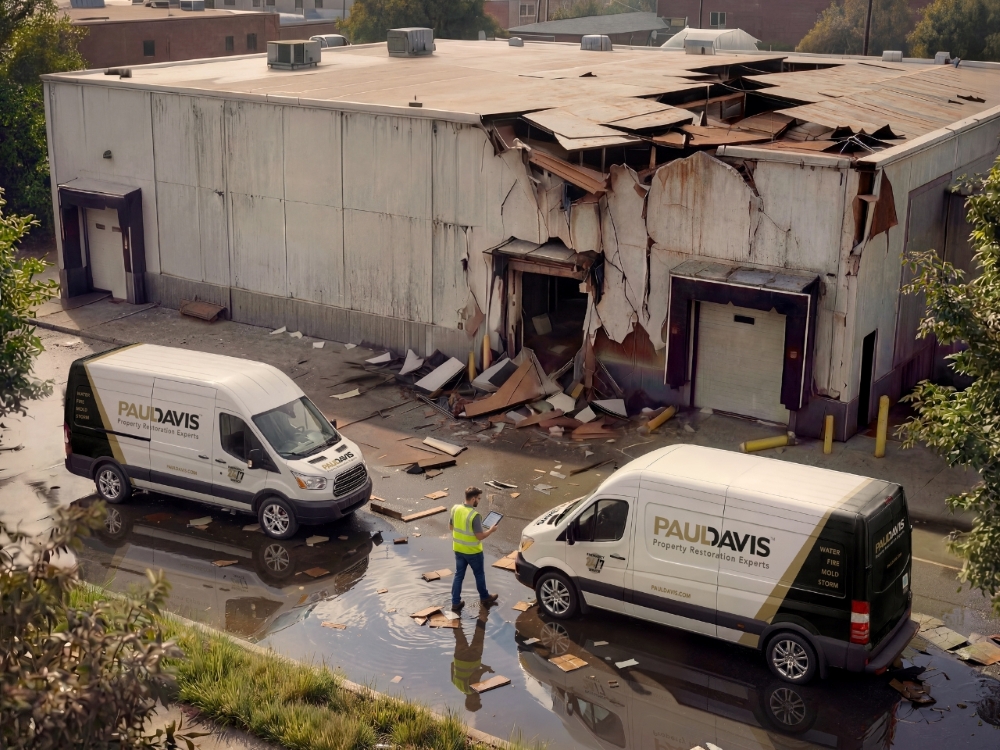
Flooding can occur indoors and outdoors due to systems breakdowns – plumbing leaks, HVAC clogs, laundry and appliance overflows, pool pump malfunctions – as well as severe summer storms. Regular inspection and maintenance are key to avoiding system breakdowns, as are consistent communications with tenants regarding using systems properly and reporting problems promptly. Mitigate storm risks through professional roof and gutter maintenance, smart landscape design, appropriate property grading and efficient stormwater management systems like drainage swales.
Fire:
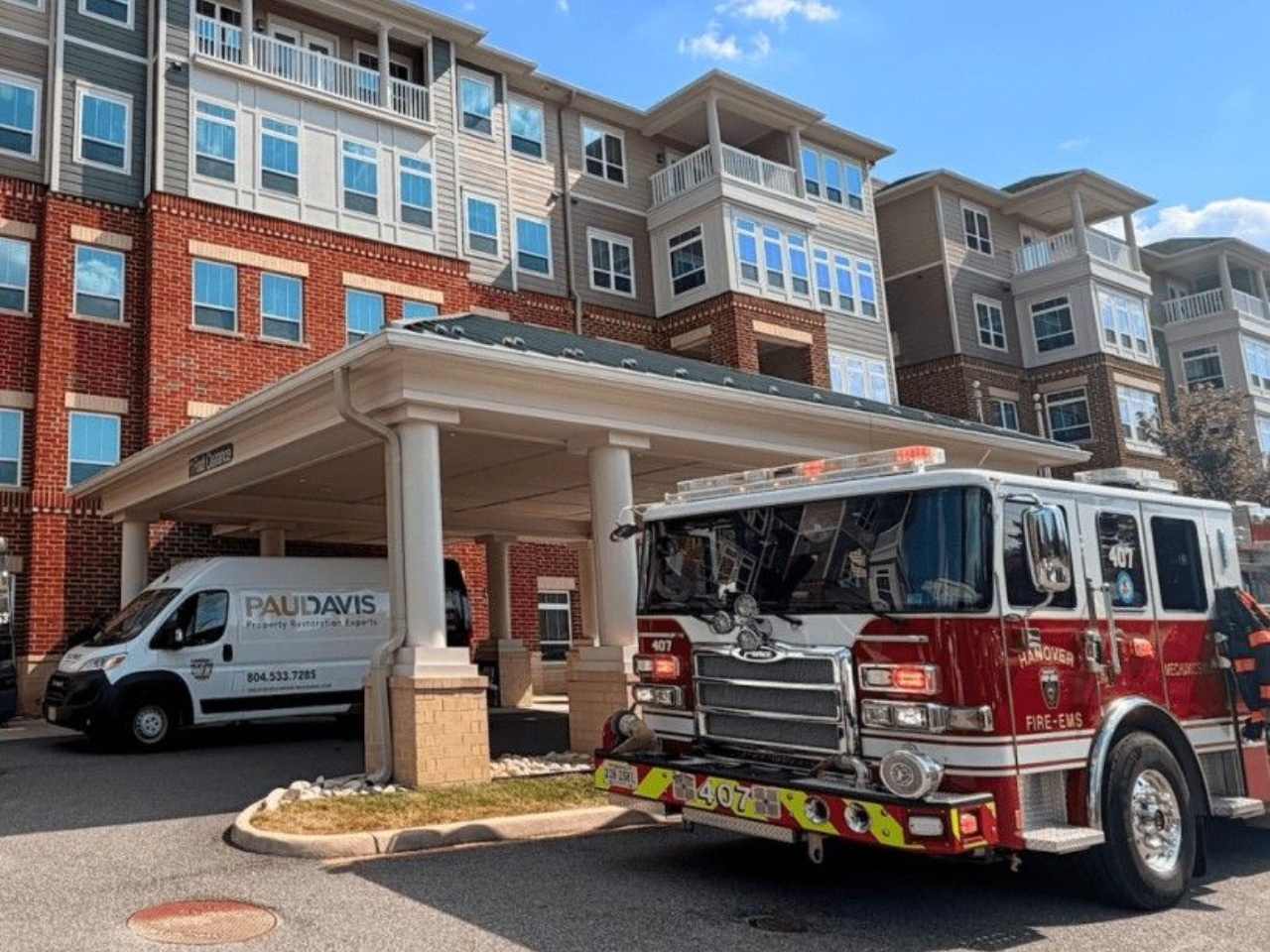
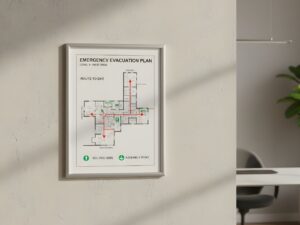
Two types of fire hazards ramp up in the summertime: wildfire risks and human-caused structural fires. To blunt wildfire risks, clear dead vegetation and flammable debris, trim overgrown landscaping and ban open flames on the property (such as grills, fire pits and fireworks). Additionally, share evacuation routes with tenants – both to evacuate buildings and leave the community if wildfire threatens – and consider conducting fire drills. To reduce structural blaze risks, verify that sprinkler systems, fire hoses, smoke alarms, automatic emergency personnel alert systems and extinguishers are visible, distributed appropriately and fully operational. Jennings urges her multi-family building owner and property manager clients to provide local municipality or county evacuation maps to all tenants. “Many people, especially new tenants, may be unfamiliar with the area and don’t think ahead to have this information handy. It’s a courtesy that they’ll greatly appreciate should an evacuation ever become necessary.”
Trespassing, Theft and Vandalism:
Property crimes like break-ins, illegal dumping, burglaries, thefts and property defacement peak in the summer months. Opportunistic crime often increases because school is out of session and criminals may target vacant units during tenant vacations. To help prevent theft and vandalism, some best practices would be to boost security onsite and limit access. Ensure automatic locking systems function well, hire summer security personnel if possible, and consider managing property access with gated entries. Install surveillance technology to monitor vulnerable areas; advise tenants and visitors that activities are continuously recorded for their safety.