Emma experienced a sudden power outage during dinner. After two days without electricity, most systems were restored when the utility completed repairs. However, her range hood, mini-split HVAC system, and water heater remained inoperable. A power surge had caused significant damage, requiring replacements that exceeded five figures and resulted in considerable disruption.
“Electrical surges and spikes are brief, high voltage increases that travel through electrical wires and hit anything that uses power,” says Jodi Lewis, General Manager, Paul Davis Restoration of North Florida. “They strike lights, appliances, furnaces, HVAC units and electronics like TVs and computers, any of which can be damaged or destroyed by the fluctuations.”
Installed between the power input and the device, surge protectors are always vigilant and ready to shunt harmful voltage away. They must be connected to a properly wired circuit featuring a ground wire; excess voltage diverts to a wire buried in the ground outside where it dissipates. Fair warning: surge protectors don’t last forever because surges gradually degrade protective components. Plan on regular replacement.
Three excellent options are easy to find and install:
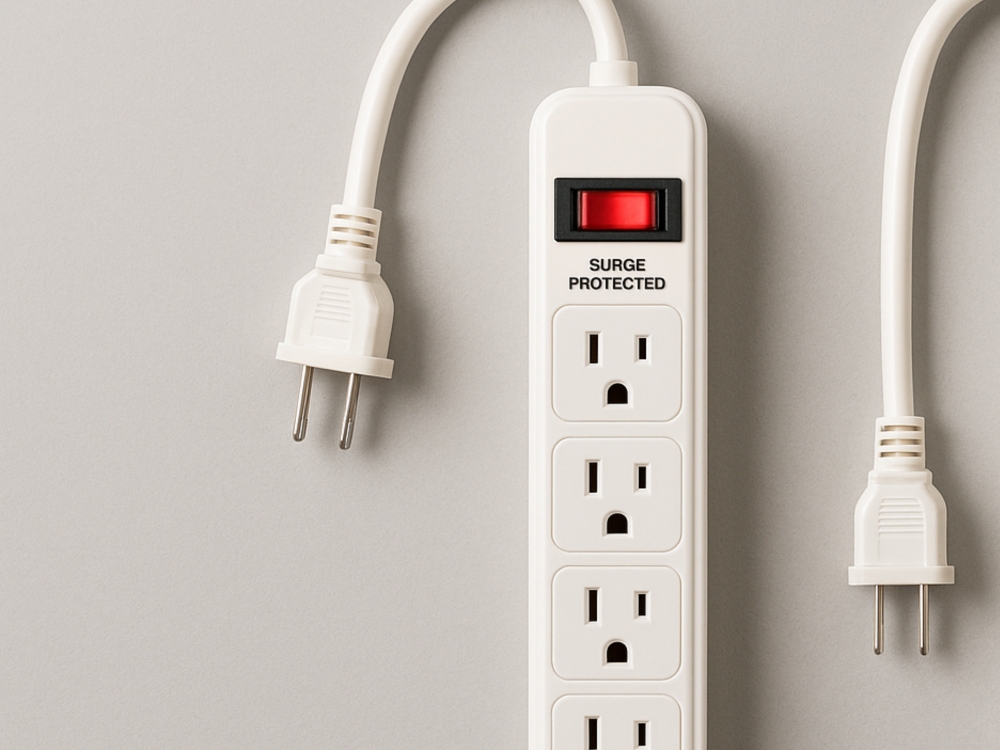
Plug in: Inexpensive and simple to use, these self-contained units plug into the wall and feature multiple outlets to accommodate several items. They are not robust enough to safeguard sensitive and high-value equipment against large spikes or frequent fluctuations.
Power strips and battery back-up power supply boxes: A souped-up version of the plug-in type, these options bump up protection and outlet numbers. Look for the “joule rating” before purchase: the higher the joule rating, the more protective the power strip is. Some choices offer insurance against loss as well as temporary battery power to enable safe device shutdown if the power fails.
Whole structure: Delivering maximum protection, these models are installed near the electrical panel by an electrician. They funnel surges away before they reach the electrical box, thereby shielding all devices in the structure. Request a model with replaceable modules: that way, it can be reset after a surge. For self-contained units, inspect and replace as necessary especially after a major surge, whichever comes first.
No matter what, don’t gamble on luck. Even if devices survive a power surge, high voltage inflicts incremental damage that harms operation and lifespan. “Maybe one surge won’t kill your computer but two might,” Lewis concludes. “Devices are becoming increasingly “smart” as well, stuffed with vulnerable electronics. Do yourself – and your budget – a big favor. Invest in surge protectors!”