


Professional Mold Remediation Services Nationwide
Mold Remediation Services Overview
- 24/7 professional mold inspection, containment, removal, and restoration services.
- Advanced air filtration, antimicrobial treatment, and structural drying to prevent recurrence.
- Black mold remediation and remediation of other mold species in homes and businesses.
- Identification of moisture sources such as leaks or humidity issues to stop regrowth.
Mold remediation is the process of identifying mold growth, containing contaminated areas, removing affected materials, cleaning and disinfecting surfaces, and correcting moisture conditions that allow mold to thrive. Mold can develop after water damage, plumbing leaks, flooding, high humidity, or poor ventilation. Because mold spores spread easily and can affect indoor air quality, professional remediation helps protect both structural materials and occupant health.
- Primary services: mold inspection, moisture detection, containment setup, HEPA air filtration, antimicrobial cleaning, material removal, and structural restoration.
- Common growth areas: drywall, wood framing, insulation, carpeting, ceiling tiles, HVAC systems, and other porous materials.
- Typical causes: roof leaks, plumbing failures, basement flooding, condensation, and unresolved water damage.
Mold is a serious threat to property values and indoor air quality. Growth can begin unnoticed in damp areas and spread before visible signs appear. Professional mold remediation – including black mold remediation – requires specialized training and equipment. Paul Davis franchisees provide nationwide mold removal services to help protect your property and health. Call 728-203-1606 for immediate assistance.
Mold in Your Home or Business: Why You Need Remediation
Mold thrives in warm, moist environments and can grow at any time of year when humidity levels are elevated. Summer humidity, water leaks, basement flooding, and condensation often contribute to mold growth inside residential and commercial properties.
Visible mold may appear as rough, fuzzy, or velvety patches on walls, ceilings, paper, plastics, wood, or other surfaces. Growth may be white, green, yellow, blue, or black. One commonly referenced black mold species is Stachybotrys chartarum, though many mold types can impact indoor environments. Regardless of the species, prompt remediation is recommended.
According to the Centers for Disease Control and Prevention (CDC), mold exposure may contribute to health concerns for some individuals. Potential symptoms can include:
- Skin and eye irritation
- Respiratory discomfort
- Headaches
- Dizziness
- Nausea
- Sleep disturbances
Even when health symptoms are not immediately apparent, mold can degrade building materials over time. It commonly grows on:
- Paper products
- Drywall and gypsum board
- Wood framing
- Cellulose-based materials
- Carpeting and padding
- Insulation
Once mold spreads inside a structure, removal becomes more complex. Professional remediation uses containment, air filtration, and targeted removal techniques to address the infestation safely and effectively.
Identify, Contain, Restore – Mold Remediation from Paul Davis

Professional mold remediation must be handled quickly to prevent further spread. Paul Davis teams can respond nationwide, often within hours of your call. Services are available 24/7.
The remediation process typically begins with identifying visible and hidden mold growth and determining moisture sources. Because mold thrives in damp environments, technicians inspect for water leaks, condensation issues, and humidity problems contributing to the growth.
Next, containment measures are established to limit cross-contamination. Advanced air filtration systems such as HEPA air scrubbers may be deployed. Contaminated materials that cannot be salvaged are removed, and affected surfaces are cleaned and treated with antimicrobial solutions. Structural components such as drywall or insulation may be replaced as needed to restore integrity.
Paul Davis Commitment to Thorough Mold Remediation
Mold remediation must be detailed and comprehensive to reduce the risk of recurrence. Paul Davis combines emergency restoration expertise, moisture control strategies, and advanced containment techniques to address both visible growth and underlying moisture conditions.
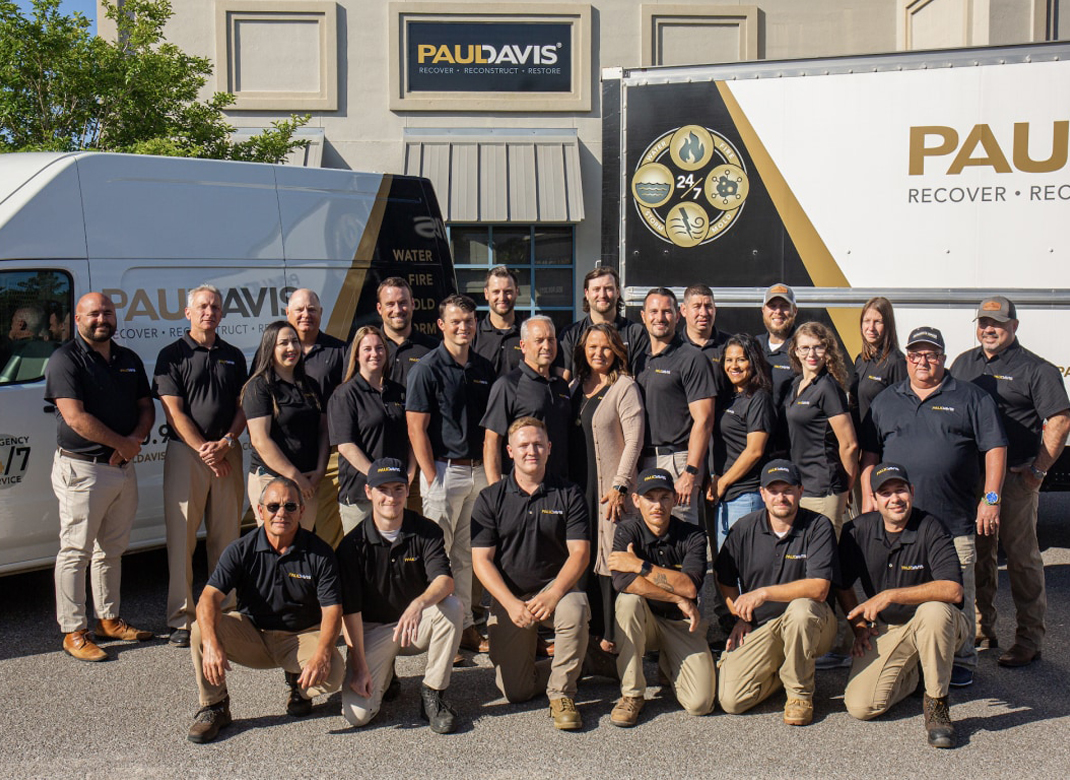
Technicians are trained in water damage restoration and mold remediation practices. By correcting moisture sources and thoroughly cleaning affected areas, we help make it more difficult for mold to return.
Contact Paul Davis for Mold Remediation Services
Mold can impact both property and indoor environments. Whether addressing visible growth or suspected hidden contamination, professional remediation services provide structured steps to restore safe conditions. Contact Paul Davis 24/7 at 728-203-1606 for prompt mold inspection and remediation services.
Mold Remediation FAQ
How quickly should mold be remediated?
As soon as mold is discovered. Mold can spread rapidly in humid conditions, and early containment and removal help reduce structural damage and indoor air quality concerns.
Is black mold more dangerous than other molds?
Certain species such as Stachybotrys chartarum are often associated with health concerns, but many mold types can affect indoor environments. Professional remediation addresses mold growth regardless of species.
Can mold return after remediation?
Mold can return if underlying moisture issues are not corrected. Professional remediation includes identifying and addressing moisture sources to reduce the likelihood of recurrence.
Does insurance cover mold remediation?
Coverage depends on the cause of the mold and the specific insurance policy. Mold resulting from covered water damage events may be eligible for coverage. Documentation supports the claims process.