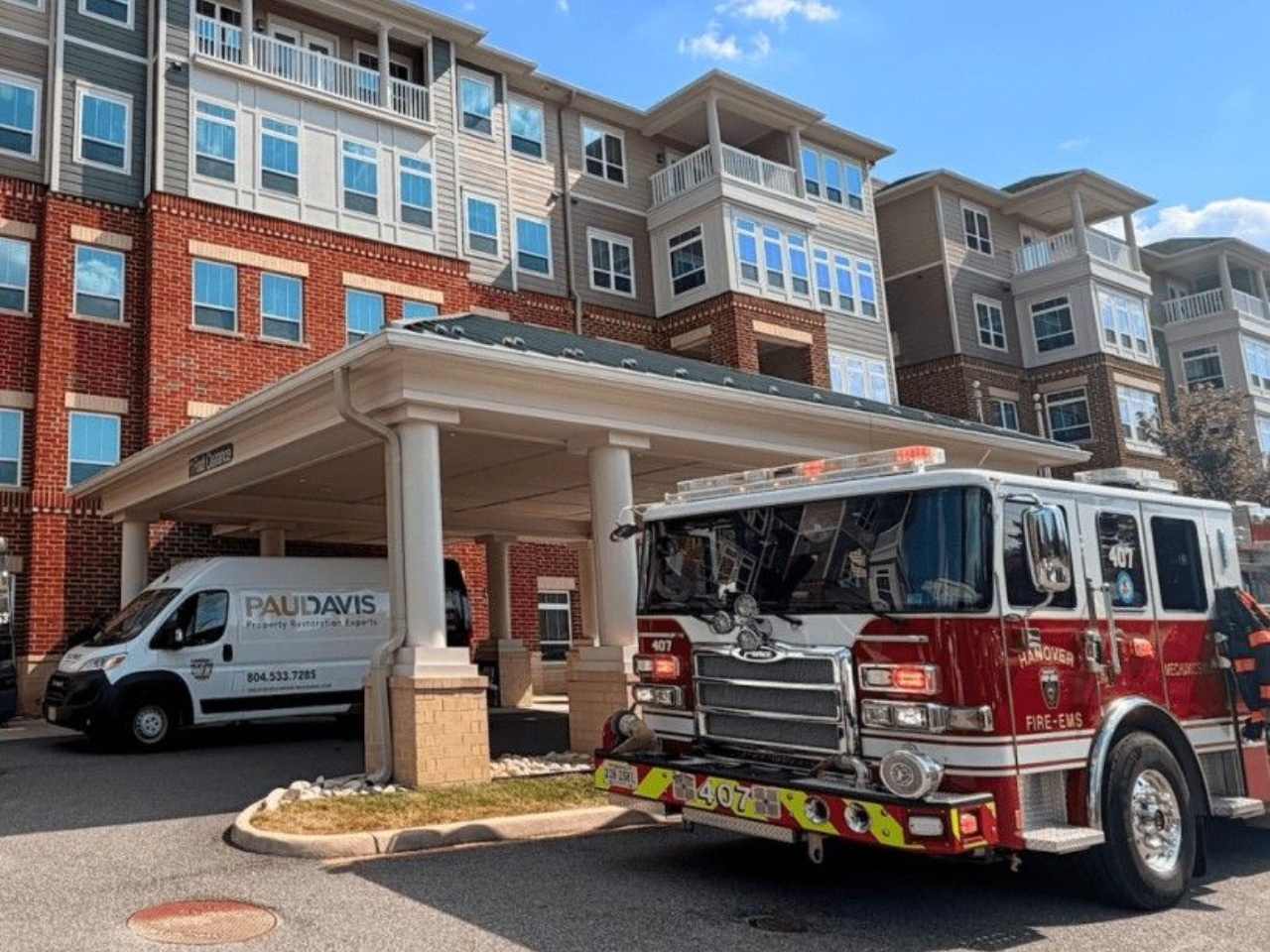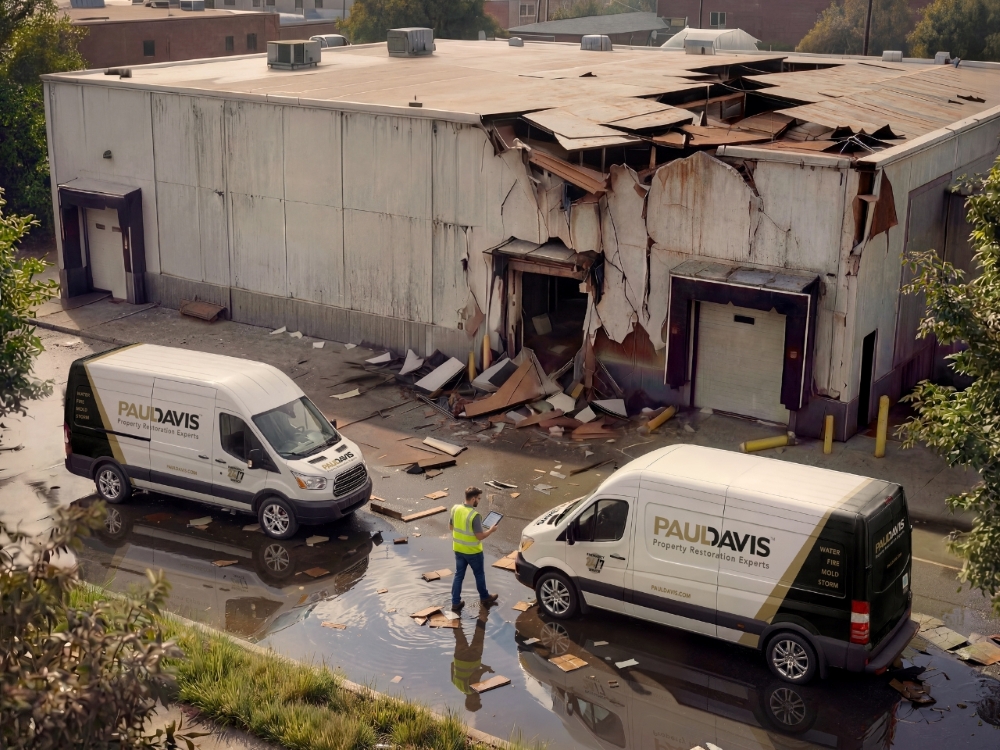
Russell Vent, owner of Paul Davis Restoration of Greater Rochester, speaks from experience when it comes to house fires and the aftershocks that homeowners may suffer. “Our mitigation and restoration crews arrive after firefighters have put out the flames, doused the smoldering embers, the smoke has subsided and firefighters rule the fire danger over. Their work is dangerous; their skills are outstanding, and their post-fire inspections are thorough.” Now, the homeowner needs different experts with different skill sets to move forward.
Municipal officials must assess safety; fire marshals arrive to investigate the origin and cause. Building inspectors assess structural and water damage. Public health and utility officials may conduct safety checks. Next come insurance adjusters, mitigation, restoration, and contents recovery specialists. Vent offers advice. “According to the National Fire Protection Association (NFPA), U.S. fire departments respond to more than 300,000 dwelling fires each year. Paul Davis Restoration with local offices throughout the country is a frequent choice to do the mitigation and many post-fire tasks, while homeowners now face important and confusing decisions.”

Homeowner Insurance Shortfalls
Most homeowners focus on ensuring their dwelling sufficiently to rebuild the home’s physical structure, plus provide a percentage of that coverage for personal property loss. “Once you experience a fire that literally destroys all your belongings, clothing, furnishings, appliances, and other damaged contents, you’ll be shocked at how quickly the damaged contents can add up,” explains Vent. Hopefully, your policy declares personal property replacement cost at actual cash value. That $2,500 refrigerator, $3,000 sofa and $3,000 bedroom set lost during a home fire for example, are insured for full, current replacement cost. Then after you purchase new contents and provide proof of purchase prices to your insurer, you’ll receive full reimbursement.
However, if your policy declares contents coverage at depreciated value, your out-of-pocket expenses can be huge and reimbursed only at their depreciated value since your earlier purchase. If the home is deemed temporarily unlivable, ALE coverage (additional living expenses) included in a homeowner’s policy coverage, typically allow 10% up to 20% of the total dwelling coverage for ALE expense. This important coverage pays an amount for additional living expenses, pet boarding expenses, family food, and laundry services, too. You must pay upfront and submit receipts for reimbursement. Many times homeowners who lose the entire house won’t have sufficient coverage to pay for a year or more of out-of-home living. Especially when mortgage payments are still applicable, even when you don’t have your home to live in.
Paul Davis offices are staffed with experienced specialists who make a point of working to guide and assist homeowners, minimize their financial pain and emotional dilemmas as they once again restore their properties and lives. “The fire has long been out.” says Vent, “but the financial and emotional stress to homeowners can last for a long time. My advice is to review your homeowner’s insurance at least every year or two in counsel with your insurance agent or broker. Be sure to understand policy coverages and limitations. When deemed needed, update your homeowner’s insurance coverages.”